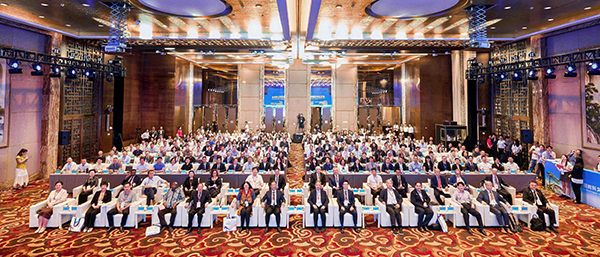
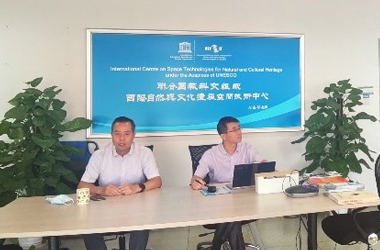
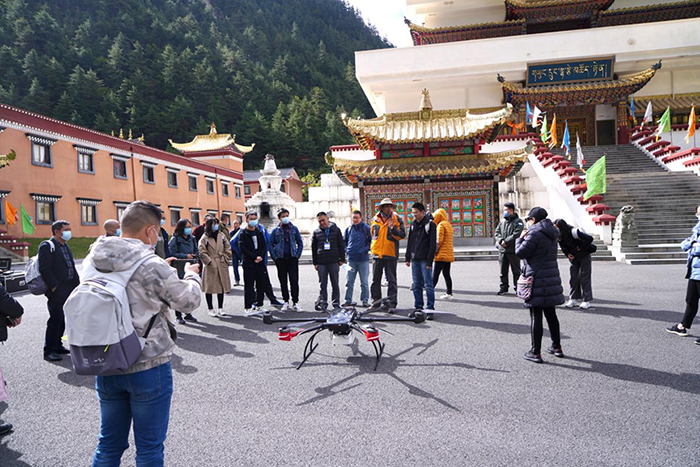
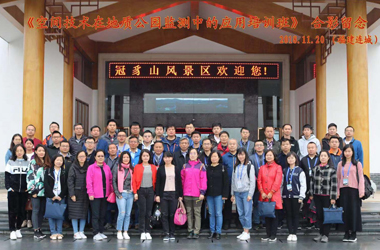
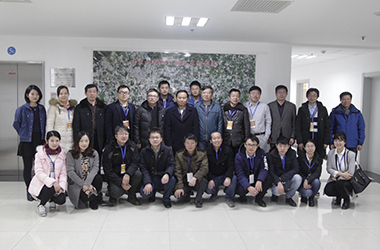
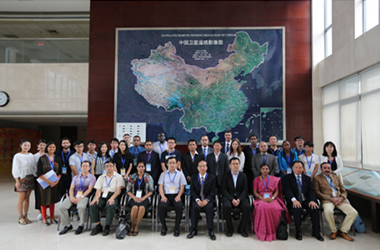
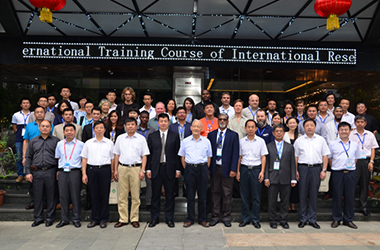
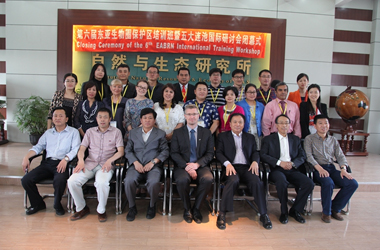
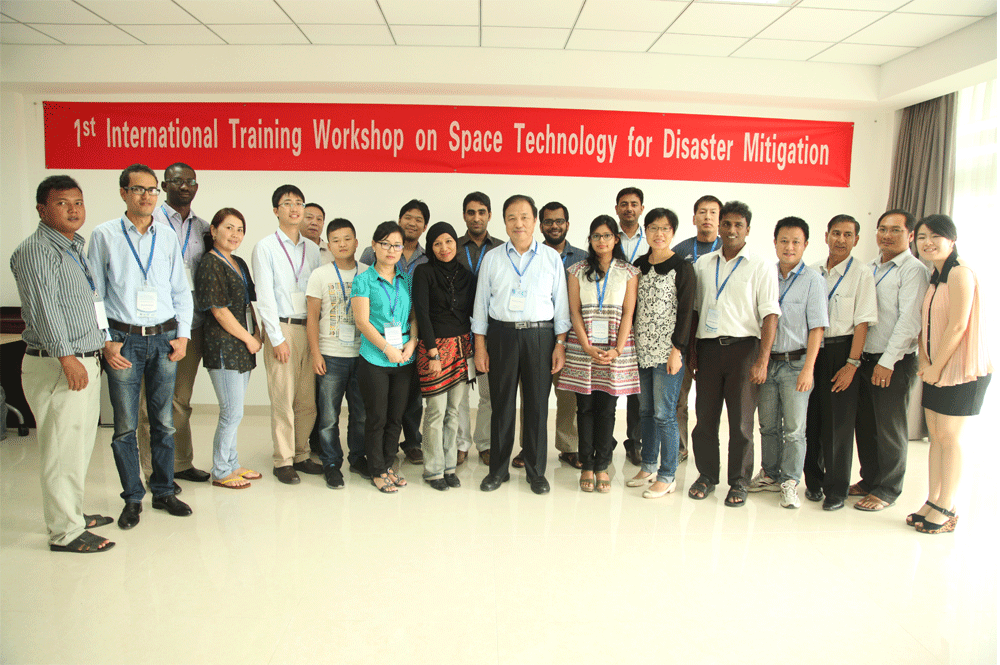
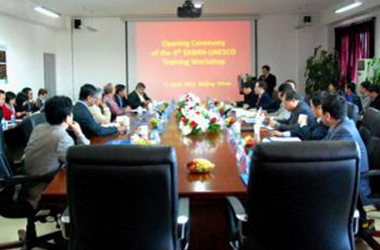
The Huangshan Dialogue on UNESCO-designated Sites and Sustainable Development, also known as the Huangshan Dialogue, is a key international platform that fosters communication and collaboration among policymakers, site managers, practitioners, and researchers in the field of listed heritage. Since its inaugural session in May 2014 in Huangshan City, jointly organized by the International Centre on Space Technologies for Natural and Cultural Heritage (HIST) under the auspices of UNESCO and the Administrative Committee of the Huangshan World Heritage Site, the Dialogue has been held five times and has become a landmark event in the conservation and management of UNESCO-listed heritage. The Huangshan Dialogue has received strong support from the UNESCO World Heritage Centre, the Man and the Biosphere Programme Secretariat, and the Global Geoparks Network Bureau. The event brings together representatives from UNESCO and its advisory bodies—namely the International Union for Conservation of Nature (IUCN) and the International Council on Monuments and Sites (ICOMOS)—as well as delegates from listed heritage sites across Asia, Africa, Europe, and Latin America. These participants collectively explore the application of space technologies in the conservation and management of World Heritage sites, Biosphere Reserves, and Global Geoparks. Beyond facilitating the exchange of knowledge and best practices, the Huangshan Dialogue also contributes innovative perspectives and approaches to the sustainable development of listed heritage worldwide.
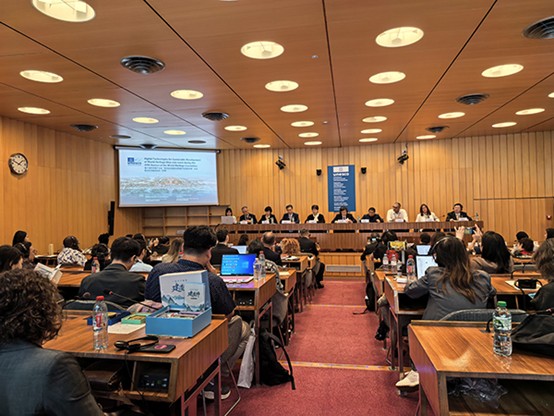
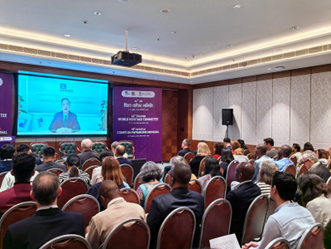
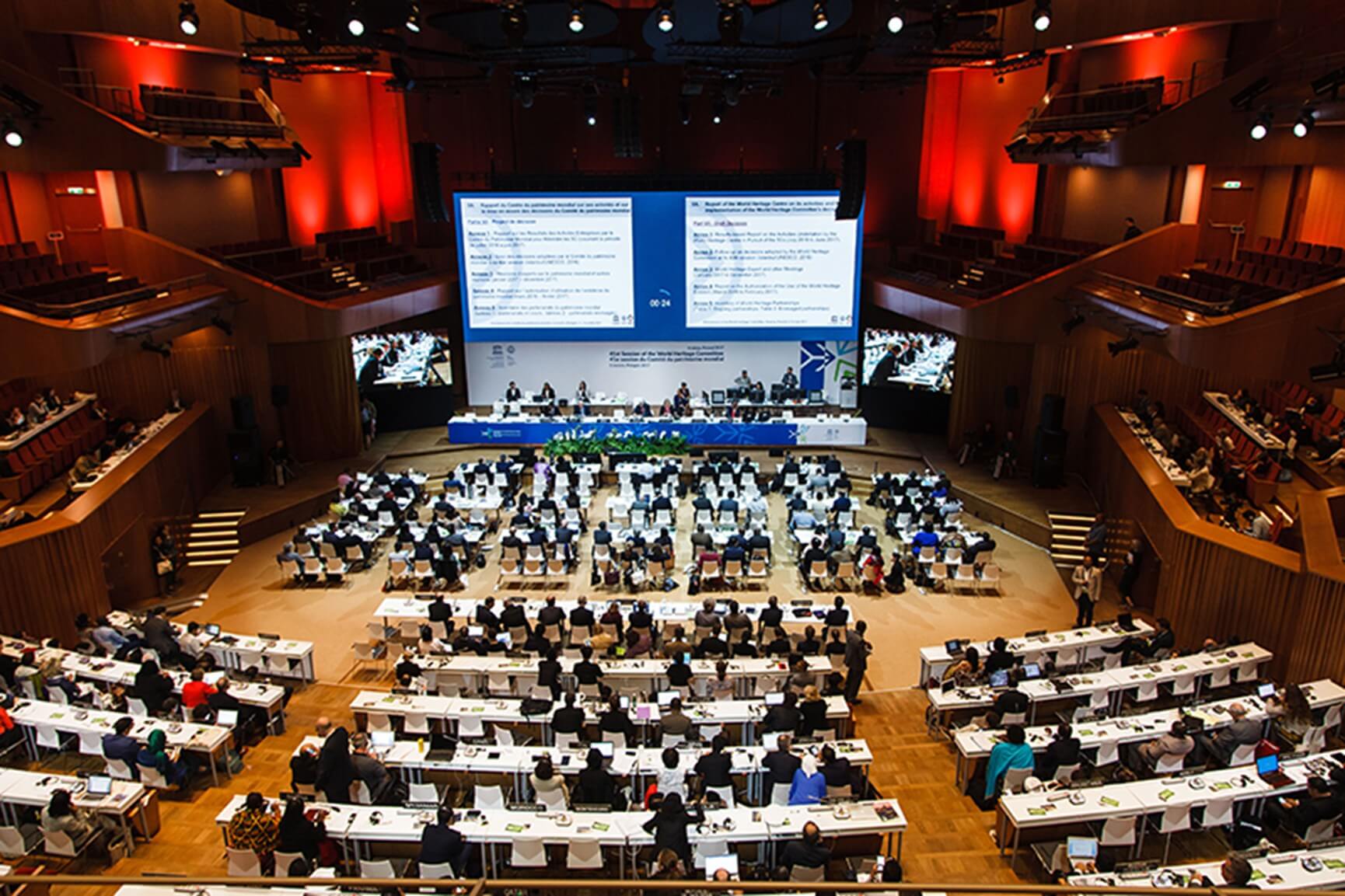
UNESCO World Heritage Committee convenes annual sessions to review and approve which sites may be inscribed on the World Heritage List, as well as to oversee and guide the conservation efforts of sites already listed. The inaugural session took place in 1977 at the UNESCO Headquarters in Paris, France.
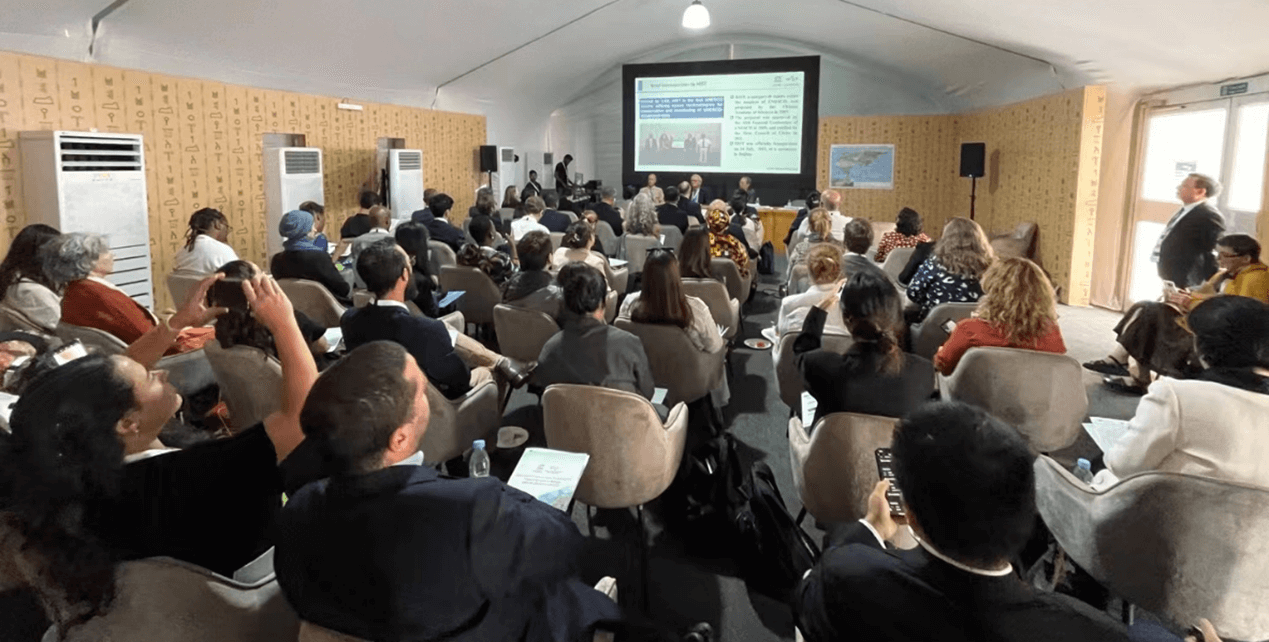
HIST has hosted thematic side events at six World Heritage Committee sessions.
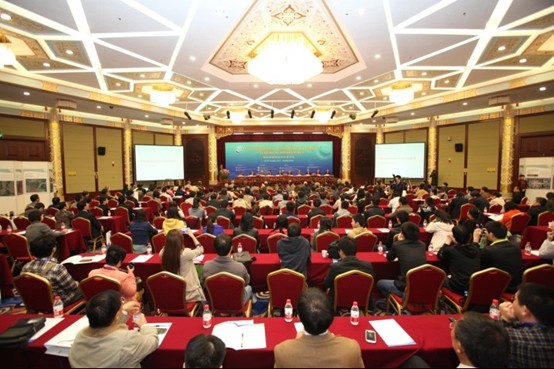
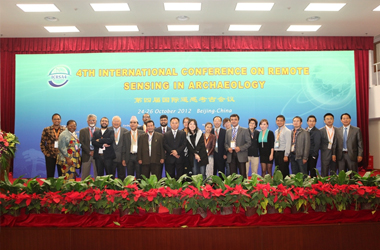
The International Conference on Remote Sensing Archaeology was a conference series initiated by the Chinese Academy of Sciences in 2004. It aims to explore and exchange insights on how to better utilize space-based Earth observation technologies for the monitoring, protection, and management of the world's natural and cultural heritage. Simultaneously, it seeks to promote the development of this emerging interdisciplinary field that applies space technology to world heritage. The conference series enjoys high visibility and significant influence.


Copyright © 2026 International Centre on Space Technologies for Natural and Cultural Heritage under the auspices of UNESCO.
Beijing ICP Filing No. 05002788-3